
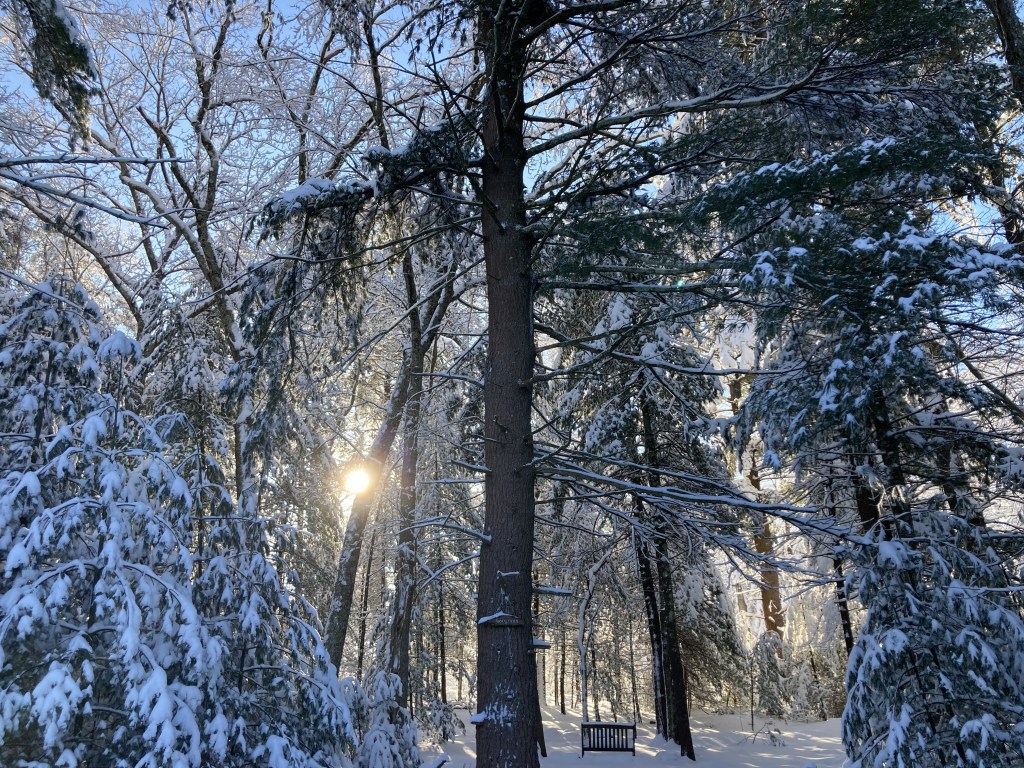
One of my favorite things about Druidry is the opportunity (and indeed, encouragement!) to do ritual outside.* Needless to say, here in New England, this can be challenging from October through May. But never fear, neither snow, rain, cold, nor darkness need keep you from a satisfying outdoor ritual experience. Here are a few favorite hacks for Druiding outside all year long.
0. CHECK THE WEATHER. This one is so important, so foundational, and yet it can get lost in the shuffle of ritual prep. Fortunately, with the advent of weather apps, it’s something that can be easily checked, and with websites like Wunderground, you can even get information on various local microclimates.
I’m sorry to say that I didn’t always remember to check the weather beyond “rain or no rain” when I was starting out. I picked up the habit of being aware of temperatures from a dear friend and Grovie of mine who would text his perpetually cold friend (me) to say, “There’s going to be a 15-degree drop over the course of the ritual—make sure you layer!” Which brings us to…
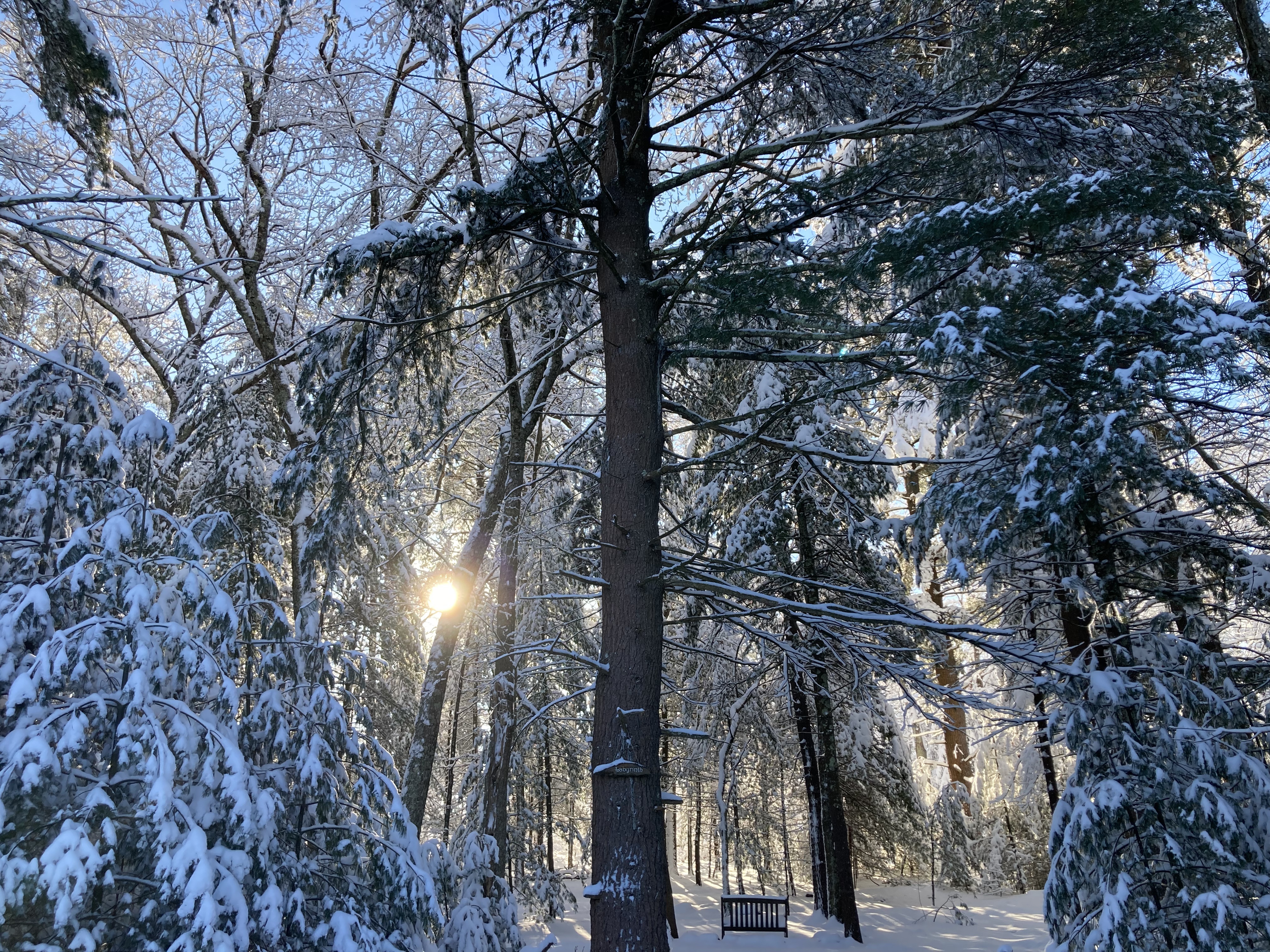
1. Dress in layers. Proper attire is key—and being ready for the elements doesn’t mean you can’t still be esoterically fabulous! Wool and silk are your best friends (here’s where thrift stores are absolute goldmines), but synthetics can have their place, especially next to the skin. Stay away from cotton if possible. Remember, you can always take clothes off, but it is impossible to add them if you haven’t brought them with you in the first place!
2. Waterproof footwear. There’s nothing worse than standing through a ritual with cold, wet socks. (And yes, in the summer, bare feet are indeed waterproof, but this isn’t the best tactic when there’s two feet of snow on the ground!) There are a dizzying array of waterproof boot and shoe choices, but having some sort of footwear that comes above the ankle can help keep your feet warm and dry through both snow and puddles.
And no worries if the waterproofing has worn off your shoes after years (or you’re not in the financial place to purchase shoes of that sort): at the very least reuse some old plastic bread bags or shopping bags by employing them as an impermeable sock inside your shoes. It’ll do in a pinch to keep water off your socks and increase your comfort a hundredfold.
3. Heat packs. There was one point in my foolish existence where I considered these a luxury. Now they’re something I always keep in my Druid Bugout Bag. Even if your own hands aren’t cold or in danger of frostbite (or a Raynaud’s attack), you may have a friend who could use the heat boost to stay comfortable and focused during ritual.
If you go for the “crystal” type of heat packet that activate with a “snap” of kinetic energy, these can be used over and over again. And of course, there’s also the timeless reusability of the hot water bottle—something I curl down with every night in the winter months to conserve energy consumption by heating the person, rather than the entire bedroom.
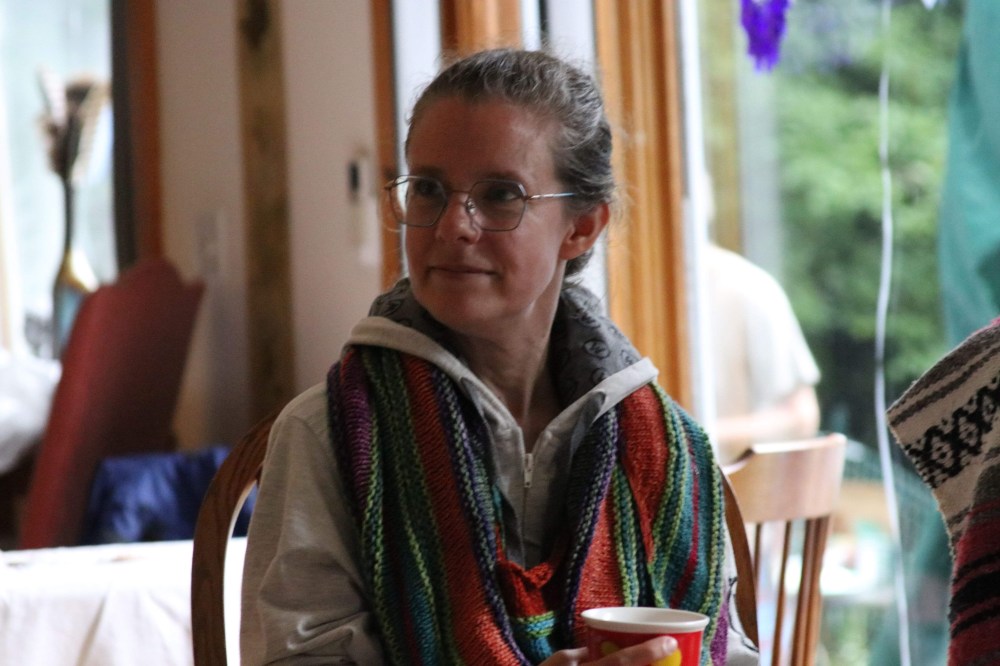
4. Hot beverages. Sort of a corollary to heat packs, hot beverages can warm ritual participants from both inside and out. We have one incredible Grove member who not only brings an enormous cauldron thermos of piping hot and spicy ginger tea, but a full set of china tea cups for everyone to share as well! It’s a great way to create a sense of camaraderie and literal warmth in the circle.

5. Know when the sun sets. This seems like a no-brainer, but knowing when the sun sets can be important for physical safety as well as for important esoteric timing (especially at Alban Arthan). That aforementioned 15-degree drop during ritual? Yep. Sunset at a Solstice ceremony.
In addition to temperature regulation, twilight can bring its own challenge for navigating terrain, reading scripts, and closing down the circle safely. Which brings us next to…
6. Red light is your friend. If you’re going to be out after dark, you’re probably going to need artificial illumination of some kind. (Yes, I’ve done those incredible night-hike sorts of ritual, too—that’s not what we’re talking about here.)
That being said, not all forms of illumination are created equal. For our Grove rituals, we’ve found that using red-tinted lights really helps save each other’s night vision. The sudden flash across the circle when a script shifts isn’t nearly as distracting in the “red-zone” as it is with a cell phone flashlight or some other full-spectrum device. Extra bonus: if you get a red light as part of a headlamp, you can just hang it around your neck and have a hands-free reading device that’s aimed away from your friends!
There’s a good outdoor survival saying that if you have two ways of making fire, you probably really only have one in any given circumstance. It’s far better to over-prepare. The same goes for lighting, especially if you’re out on your own. Have a headlamp, a pocket flashlight, and a cell phone for backup if necessary. If you think that’s overkill, ask me sometime about the Headless Rite I performed when all three flashlights decided to go on strike and I was left with nothing but a candle in a high wind….
7. Insect mitigation. Environmental preparedness extends to our insect brethren as well. While not so much a consideration for the colder months, by the time Midsummer rolls around some sort of tick and/or mosquito repellent is advisable in many parts of the world. Everyone has their favorite bug spray, but I’ll say for most occasions I go with a lemon-eucalyptus or citronella-based one. If you’re in deep woods or swamp/estuary areas, you may well need something stronger. It’s hard to “swear by peace and love to stand” when you’re swatting at a swarm of insatiable bloodsuckers!

8. Think about before and after. Always make offerings to the land and ask permission to perform your rite. Be willing to take “No” for and answer and relocate if necessary. Also really look at your ritual site: how exposed is it? Is there available cover for a cloud burst? Does the wind blow constantly? Are you near a body of still water that may harbor mosquitoes? Is accessibility a concern? All of these factors will affect how you prepare for your ritual experience. If I’m scouting for a location for a group ritual, I’ll usually visit one or more times in the week before to make sure I understand the land’s needs as best I can before bringing other humans into the circle, allowing my fellow Druids to be prepared as well.
If you’re organizing a ritual for a group, get to the meeting point early to update folks of any changes in parking or other vagaries of arrival. Go check the ritual site itself, make sure it’s accessible and a deer herd (or a bunch of hippies) didn’t move in since you last visited. Set up in advance whatever you can for the rite itself. While you’re taking care of those last-minute details, assign a greeter or point person to make sure folks get scooped up and welcomed as they arrive. Distribute parts/scripts and make sure people with celebrant roles have any tools they might need (water for the West, fire for the South, a wand for the circle-caster, etc.).
Always have some sort of short pre-ritual briefing to help attendees get on the same logistical page. This requires a deft hand, and I have personally borked it by going on too long on occasion, but the idea is to reassure newbies that they aren’t going to get sacrificed, sketch out the shape of a Druid ritual for all attending, and remind people that there’s food waiting for everyone at the end.
9. Adapt as necessary. This is possibly the most important point of all: if circumstances necessitate a change of plans, adapt. Is it colder than expected? Consider moving the Eisteddfod or feasting portion of the ritual indoors to shorten things up. Flashlight failure? See if you can look on with a neighbor. Scripts destroyed by a driving rainstorm? Time to brush off those improv theater skills! As far as Druid rituals for the Wheel of the Year go, they are celebrations of the seasons and of community (both human and beyond-human)–there’s very little you can do to mess things up and cause cheese to start falling from the sky.** Conduct yourself with reverence and mirth in ritual, and all manner of things shall be well.
Hopefully these 9 points will help you think about what you can do to bring your outdoor ritual experiences to the next level. What are some of your favorite outdoor ritual hacks? Do you have any hilarious weather mishaps? Please share in the comments so we can all expand our ritual toolkits. In the meantime, blessed Alban Arthan!
*This is not necessarily true of all Druids, although it is certainly a foundational custom of Mystic River Grove’s rituals. If your life and circumstances require an indoor venue, that’s OK. You’re not “Doing It Wrong”.
**Time honored omen amongst Discordians that a ritual has gone irrevocably wrong.





Leave a Reply